November 23, 2026
Choosing Pressure Cleaning Equipment for Tight Access Areas
By @judahudsa357
Narrow side passages, small courtyards and spaces around fixed equipment require more than a powerful pressure washer. For Maryborough property owners, choosing the right equipment helps remove dirt and organic growth without damaging surfaces or forcing bulky machinery through restricted access. Access dimensions, surface condition and wastewater control should guide the choice—not maximum pressure alone.
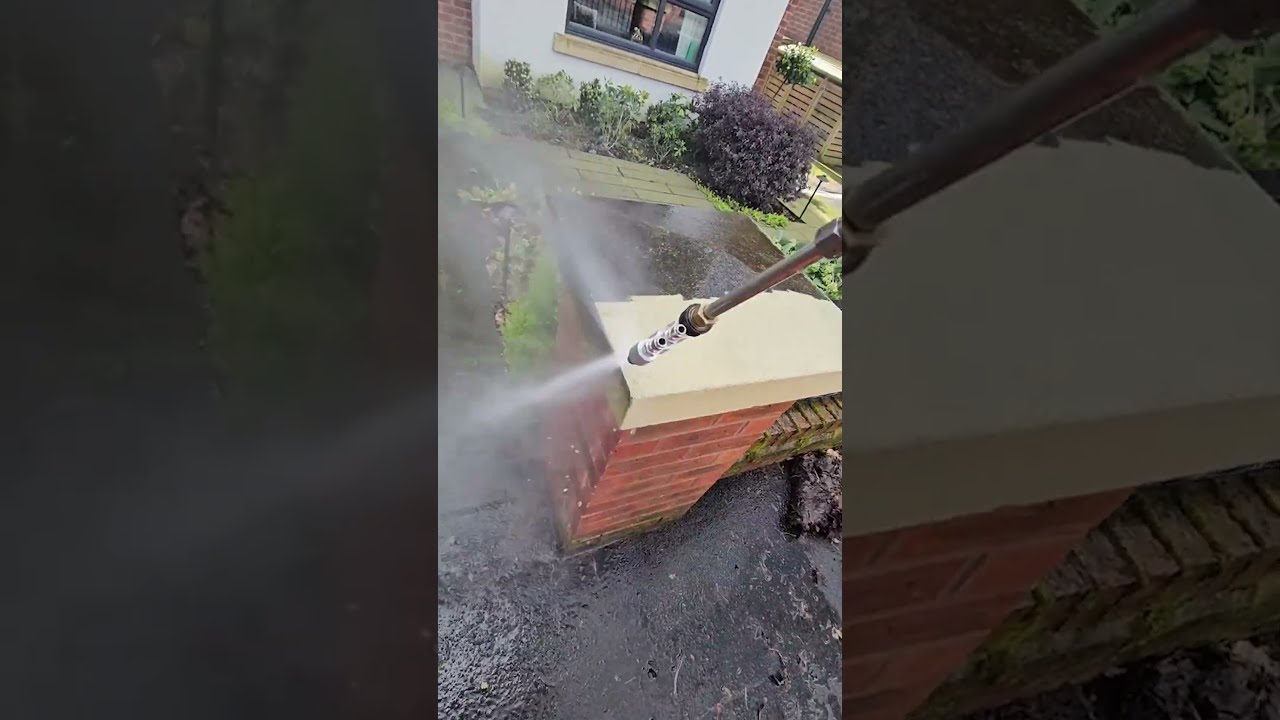
Measure Access Before Selecting Equipment
Measure the narrowest gate, passage and turning point, including restrictions from downpipes, air-conditioning units and garden beds. Check overhead clearance and steps as well. A machine that fits through a gate may still be difficult to manoeuvre around a corner.
Where access is limited, the pressure washer can often remain in a suitable outdoor position while a pressure-rated hose reaches the cleaning area. Choose hose length and diameter according to the manufacturer’s specifications, as long or undersized hoses can reduce working pressure. Keep hoses clear of exits and protect them from sharp edges.
Match the Equipment to the Space
Compact Machines and Remote Hose Access
A compact electric pressure washer can suit small residential areas where an appropriate power supply is available. Use electrical equipment with suitable residual current device protection and keep connections away from water. Petrol-powered machines offer mobility but must remain outdoors, away from doors, windows and air intakes. Never operate a petrol pressure washer inside a garage or enclosed passage because of carbon monoxide risk.
Short Lances and Angled Attachments
A manufacturer-approved short lance improves control where a standard lance cannot turn comfortably. Angled attachments can help reach awkward edges, but their reaction force and spray direction require careful handling. Never place hands near an operating nozzle or attempt to check a leak with your fingers.
Small Surface Cleaners
A compact surface cleaner can provide more even results on suitable concrete while reducing overspray. Check the attachment’s overall width, not just its cleaning diameter, against the available space. It must also match the pressure washer’s flow and pressure ratings. Tight corners usually still require separate detailing.
Choose Pressure and Flow for the Surface
Higher pressure is not automatically better. Water flow helps carry loosened material away, while nozzle selection and working distance affect how aggressively the spray strikes a surface. Adjustable pressure is especially useful where concrete meets timber, painted masonry or older mortar.
- Sound concrete: Start conservatively and increase cleaning intensity only after testing an inconspicuous patch.
- Timber and painted surfaces: Use lower pressure and a suitable wide-fan nozzle to reduce gouging or coating damage.
- Older brickwork and mortar: Inspect for deterioration before cleaning; high pressure can dislodge weak material.
- Suspected asbestos-containing materials: Do not pressure clean them. Arrange identification and specialist advice.
Maryborough’s older properties can contain delicate finishes and weathered building materials. An appropriate https://jsbin.com/vuvedicuco detergent and controlled dwell time may reduce the pressure needed, provided the product is compatible with the surface and used according to its label.
Control Runoff and Protect Nearby Areas
Tight spaces can trap water against walls or direct dirty runoff towards neighbouring properties. Identify drains, low points and door thresholds before starting. Where needed, use suitable barriers and wastewater recovery equipment rather than simply pushing wash water into the street.
Keep detergent, sediment and contaminated wash water out of stormwater drains. Check the relevant local council’s requirements for collection and disposal, particularly when cleaning oily surfaces or using chemicals. Protect electrical fittings, maintain secure footing and keep other people outside the spray area.
What to Ask a Maryborough Cleaning Service
Before booking, provide access measurements and photographs of the surfaces. Ask whether the contractor has compact attachments, adjustable pressure and a practical runoff-management method. A suitable service assesses the site first and explains how it will protect vulnerable materials. The best equipment is the equipment that cleans safely within the available space—not simply the most powerful machine.
Maryborough Pressure Cleaning
(07) 4120 7141
❧